Digital Twin Solutions for Manufacturing | Tech4LYF
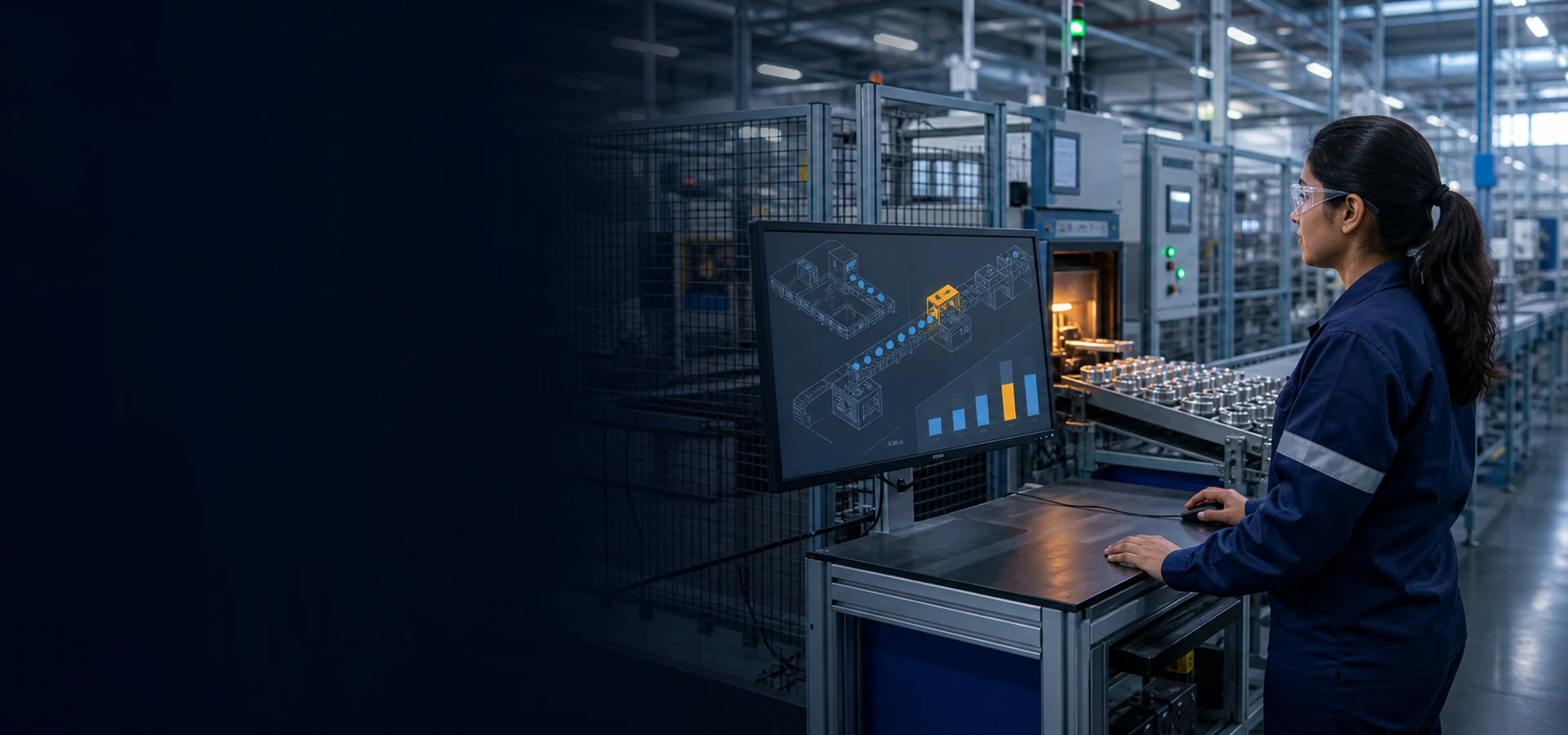
Combine operational data, asset relationships and simulation to monitor conditions, investigate changes and support better manufacturing decisions.

Connect Your Physical Factory with a Living Digital Model

Introduction

Transform Operational Data into a Connected Digital Representation

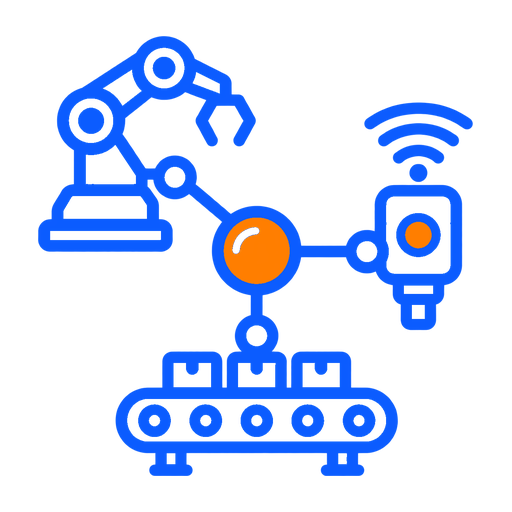
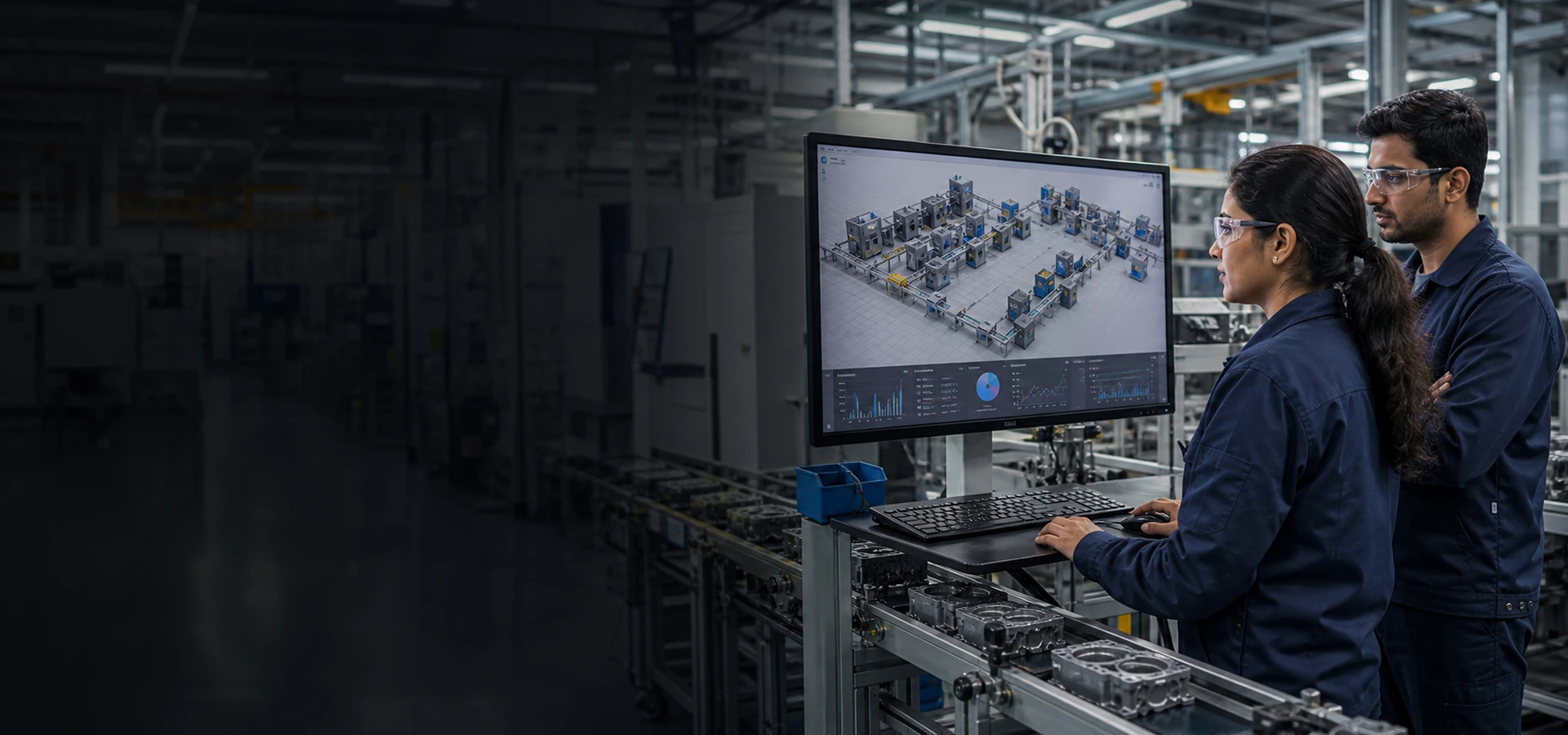
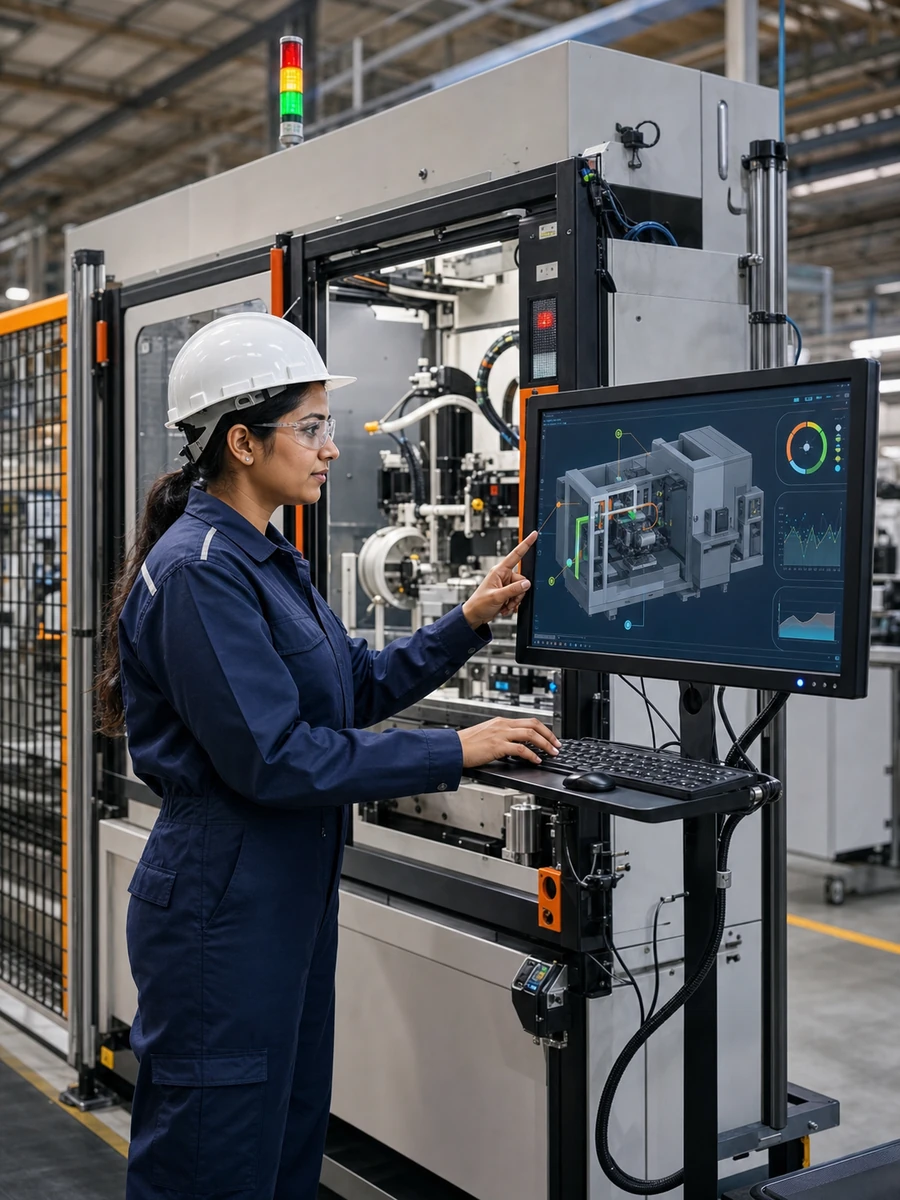
Digital twin solutions create a synchronised digital representation of a physical machine, production cell, line, utility system or factory. The twin combines asset structure, operational data, historical behaviour and analytical models to help teams understand what is happening, investigate why it is happening and evaluate what may happen next.

A manufacturing digital twin is more than a static 3D model or dashboard. A useful operational twin maintains an identified relationship with the physical system and updates its condition using relevant information from machines, sensors, PLCs, SCADA, historians, MES, CMMS, ERP, QMS or other approved sources.

The required update frequency depends on the use case. Machine-condition monitoring may require frequent sensor data, while production-capacity analysis may use event, shift or order-level updates. Tech4LYF designs the data flow around the operational decision rather than collecting every available signal without a defined purpose.

Digital twins can provide context that conventional dashboards often lack. Instead of displaying disconnected measurements, the twin relates each data point to the correct asset, component, production stage, product, location and operating state. This helps maintenance, production and engineering teams interpret information within the physical system it represents.

Depending on available data and validated models, a twin can support live monitoring, historical investigation, condition assessment, maintenance planning, anomaly detection, production simulation and controlled what-if analysis. Predictive outputs are introduced only when sufficient evidence exists to train, test and maintain the selected analytical method.

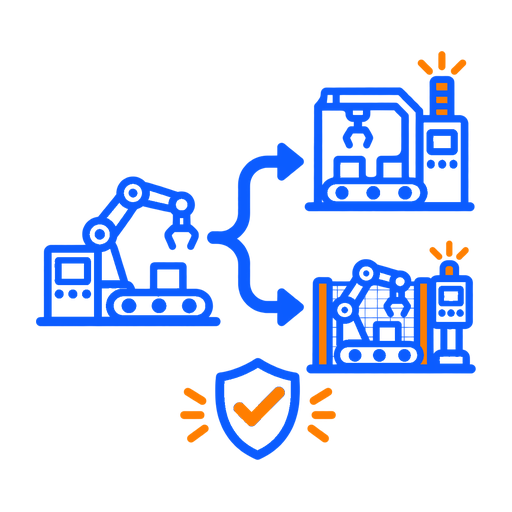
Tech4LYF can begin with a focused asset or line-level digital twin and expand through a governed hierarchy. A pilot may start with one critical machine, production cell, utility system or operational constraint before connecting additional assets, workflows and enterprise systems.

Initial deployments can remain read-only, allowing teams to validate data quality, model behaviour and user workflows without sending commands to production equipment. Automated recommendations or control actions should be introduced only after engineering, cybersecurity, safety and operational approval.

Tech4LYF develops digital twin solutions for manufacturers in Chennai, across India and for multi-location industrial operations. Each solution is scoped around a measurable use case, available data, integration requirements and the level of decision support the organisation actually needs.

Build and validate the underlying production model through our Production Line Simulation Services.
Turn Connected Factory Data into Operational Understanding

Create a governed digital context for monitoring assets, testing scenarios and supporting condition-based decisions.

Live Operational Context

View current asset conditions within the correct machine, line and process relationships.

Early Condition Awareness

Highlight supported deviations and abnormal behaviour before they become larger disruptions.

Predictive Decision Support

Use validated historical and operational data to assess likely future conditions.

Connected Asset Relationships

Link machines, components, processes, products and locations in one structured model.

Safer What-If Analysis

Evaluate supported operating scenarios digitally before changing the physical system.

Scalable Twin Architecture

Begin with one priority asset and expand toward connected lines, utilities and plants.

5

Digital Twin Service

Connected

Live operational context

Scalable

Asset-to-factory twins
Model Assets, Synchronise Operations and Evaluate Future Scenarios

Manufacturing Digital Twin Capabilities

Configure the digital twin around your assets, processes, data sources, analytical requirements and operational decisions.

Asset & Process Modelling Create digital representations of machines, components, production cells, lines, utilities and process relationships.
Twin Hierarchy & Relationships Connect individual assets to their assemblies, locations, processes, products and parent production systems.
PLC, Sensor & IIoT Connectivity Capture approved machine states, counts, process values and condition measurements through supported industrial interfaces.
Live State Synchronisation Update twin properties at a frequency appropriate to the monitoring, analysis or operational use case.
Historical Data Context Maintain time-based asset records for investigation, comparison, trend analysis and model validation.
Condition Monitoring Track supported temperature, vibration, pressure, energy, speed, production and equipment-state measurements.
Events, Alerts & Anomalies Apply approved thresholds and analytical rules to identify conditions that require investigation.
Simulation & What-If Analysis Connect validated models to test production, resource, maintenance or operating scenarios before implementation.
Predictive Analytics Develop supported forecasting or condition models using suitable historical data, validation and ongoing performance review.
2D & 3D Visualisation Present asset states, relationships and operational information through appropriate dashboards or spatial views.
Enterprise System Integration Exchange approved information with MES, ERP, CMMS, QMS, SCADA, historians, cloud platforms and business applications.
Security, Roles & Governance Apply authenticated access, role permissions, data ownership, model versioning and controlled deployment practices.

Our Development Process

01
Use Case & Twin Scope

Define the physical system, operational problem, users, decisions, outputs and measurable acceptance criteria.

02
Asset & Data Architecture

Map equipment, relationships, identifiers, data sources, update frequencies, ownership and integration boundaries.

03
Twin Model Development

Build the asset hierarchy, operating states, data mappings, contextual rules and required visualisation.

04
Connectivity & Synchronisation

Connect approved PLC, sensor, historian and enterprise data through secure edge, API or integration services.

05
Validation & Scenario Testing

Compare twin states with physical evidence and verify monitoring, analytical and simulation behaviour.

06
Deployment, Governance & Scale

Train users, monitor data quality, maintain models and expand the validated architecture to additional assets.

Basic information

Frequently asked questions.

A manufacturing digital twin is a synchronised digital representation of a physical machine, process, production line or factory. It combines asset relationships with relevant operational data and models to support monitoring, analysis, prediction or scenario evaluation.

A simulation can operate independently as an offline model for testing scenarios. A digital twin maintains an identified relationship with a physical system and is updated using relevant operational data. A validated simulation model can become one component of a digital twin.

No. A digital twin may use dashboards, asset graphs, process models or 3D visualisation. The correct interface depends on the operational question. Data relationships, synchronisation and model validity are more important than decorative 3D graphics.

An operational digital twin requires updates from its physical system, but the required frequency depends on the use case. Condition monitoring may need frequent sensor updates, while planning and performance analysis may use event, shift or batch-level information.

Data may come from sensors, PLCs, SCADA, historians, IoT gateways, MES, ERP, CMMS, QMS, WMS, energy-monitoring systems or approved manual records. Each source should have a defined owner, identifier and quality requirement.

Yes. Legacy equipment may be connected through existing PLC signals, protocol gateways, retrofit sensors or operator-assisted data capture. The selected method depends on machine access, required measurements, safety and investment value.

No. Digital twins can use on-premises, edge, cloud or hybrid architectures. The deployment should reflect data volume, latency, cybersecurity, integration, availability and organisational requirements.

Yes, when suitable condition and maintenance data is available. Predictive models must be trained, tested and monitored against physical evidence. A digital twin should not present an unsupported prediction as a confirmed equipment failure.

It can support recommendations or approved control workflows, but initial deployments can remain read-only. Automated control requires engineering validation, cybersecurity controls, safety assessment, permissions and defined fallback behaviour.

Timeline and cost depend on the number of assets, data readiness, connectivity, model complexity, visualisation, analytics, integrations and deployment architecture. Tech4LYF provides an itemised scope after defining the use case and reviewing the physical system and available data.

Connect Data Updated Successfully!
Say
Hello!

I understand that my data will be hold securely in accordance with the privacy policy.

<

Other business services

Production Line Simulation Services

Test throughput, bottlenecks and production scenarios before changing the shop floor.

Trusted By Industry Leaders

Zealeye Logo
Zealeye Logo
Zealeye Logo
Zealeye Logo
Zealeye Logo
Zealeye Logo
Zealeye Logo
Zealeye Logo
Annai Printers Logo
Deejos Logo
DICS Logo
ICICI Bank Logo
IORTA Logo
Panuval Logo
Paradigm Logo
Quicup Logo
SPCET Logo
SRM Logo
Thejo Logo
Trilok Logo
Wingo Logo
Zealeye Logo
Scroll