CMMS Case Study for Manufacturing | Tech4LYF
Connected Maintenance Operations

Digital Maintenance Management for Manufacturing

What is a connected CMMS? A connected Computerised Maintenance Management System brings assets, preventive schedules, maintenance requests, technician work orders, spare parts and reliability information into one controlled…

Client A Leading Multi-Line Manufacturer
Category Industries
Location India
Duration Phased Implementation
Overview

How the project moved from business problem to working system

What is a connected CMMS? A connected Computerised Maintenance Management System brings assets, preventive schedules, maintenance requests, technician work orders, spare parts and reliability information into one controlled operating platform.

For this multi-line manufacturer, Tech4LYF developed a CMMS that connected maintenance planning with technician execution, equipment history, spare-parts consumption and relevant production information.

The system replaced disconnected maintenance records with structured schedules and traceable work orders. Maintenance teams could see what work was due, which technician was responsible, what actions were completed and which parts were consumed.

The phased implementation allowed the organisation to validate its asset data, maintenance plans and technician workflows using critical equipment before extending the CMMS across additional production areas.

Impact

Results that made the work visible

Planned Preventive-maintenance scheduling
Traceable Work orders and technician actions
Connected Spare parts and production information
Visible Asset history and recurring failures

The business problem

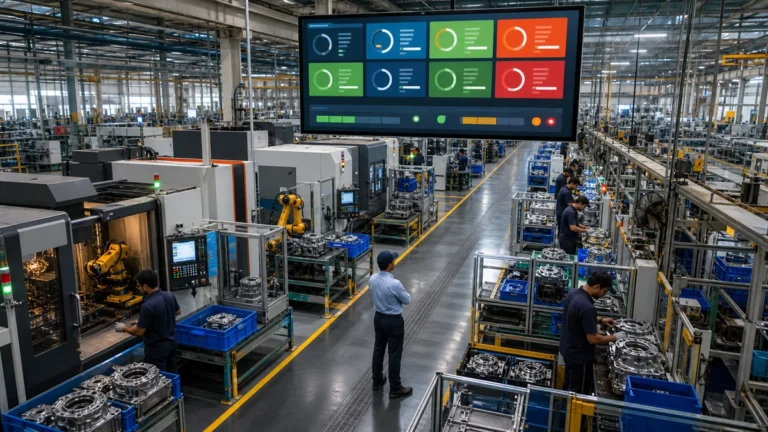
A leading multi-line manufacturer operated a diverse asset base covering production machines, utilities, material-handling equipment and supporting plant infrastructure.

Maintenance activities were managed through a combination of spreadsheets, paper checklists, phone calls and individual technician records. Although breakdowns were attended to, the organisation lacked one controlled system for planning preventive maintenance, dispatching work orders and retaining complete equipment history.

The manufacturer faced several connected maintenance challenges:

  • Preventive-maintenance schedules were maintained across separate spreadsheets and calendars.
  • Upcoming and overdue maintenance activities were difficult to monitor across production lines.
  • Breakdown requests were communicated through phone calls and informal messages.
  • Technician assignments, priorities and work-order status were not visible in one place.
  • Repair actions, labour time, downtime and consumed parts were recorded inconsistently.
  • Complete maintenance history could not be retrieved quickly for individual machines.
  • Repeated equipment failures were difficult to identify and compare.
  • Spare-parts availability was not connected directly with planned maintenance work.
  • Maintenance managers lacked dependable information for MTBF, MTTR and breakdown analysis.
  • Production and maintenance teams did not share one live view of unavailable equipment.

The organisation needed a connected Computerised Maintenance Management System that could structure its asset register, preventive schedules, breakdown requests, work orders, spare parts and maintenance records.

What Tech4LYF built

Tech4LYF designed and developed a connected Computerised Maintenance Management System around the manufacturer’s asset structure, maintenance strategy and technician workflow.

The implementation began with a structured asset register. Plants, departments, production lines, machines and sub-assemblies were organised into a controlled hierarchy. Each asset record could retain specifications, criticality, manuals, warranties, responsible teams, maintenance plans and asset-specific spare-parts information.

Preventive-maintenance activities were converted into digital schedules. Calendar-based tasks could be created at approved daily, weekly, monthly, quarterly or annual intervals. The system was also designed to support maintenance based on operating hours, production cycles and meter readings when suitable machine information was available.

Maintenance requests could be converted into prioritised work orders and assigned to available technicians. Each work order retained the reported problem, asset, priority, safety instructions, checklist, assigned technician, required parts, observations, photographs, readings and completion details.

Technicians could update work-order status from the equipment location, record the work performed and submit the completed task for verification. This created a controlled workflow from initial request through assignment, execution, review and closure.

Tech4LYF connected spare-parts activity with maintenance execution. Required parts could be checked, reserved, issued, returned and recorded against individual work orders. This helped maintenance and stores teams understand actual consumption and identify critical parts requiring replenishment.

Maintenance dashboards provided visibility into due and overdue preventive work, open breakdowns, technician workload, recurring failures and asset history. The CMMS could also exchange relevant information with ERP inventory, MES and supported machine-monitoring systems.

The solution was introduced in phases, beginning with critical assets and priority maintenance workflows before expansion across additional production areas.
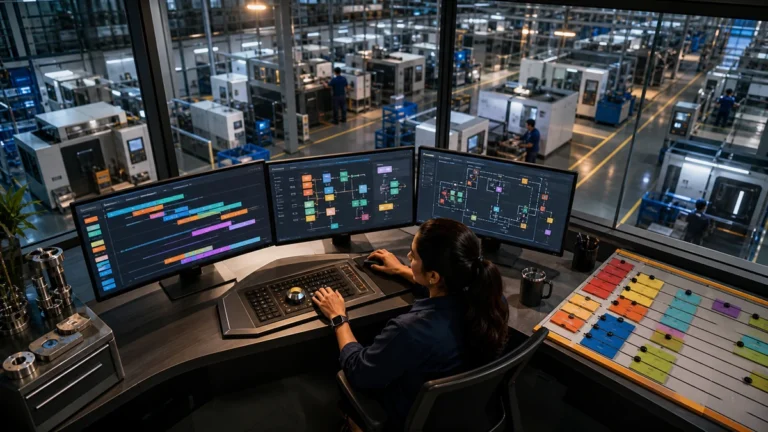
Capabilities

Core features delivered

1

Structured Asset Register

Plants, lines, machines and sub-assemblies were organised with specifications, criticality and maintenance history.

2

Preventive Maintenance

Approved servicing activities were scheduled by calendar, operating hours, machine cycles or meter readings.

3

Digital Work Orders

Maintenance requests became prioritised technician work orders with checklists, actions and controlled closure.

4

Complete Asset History

Planned work, breakdowns, labour, downtime, repairs and supporting evidence remained linked to each asset.

5

Spare-Parts Control

Required parts could be reserved, issued, returned and recorded against individual maintenance work orders.

6

Maintenance Analytics

Dashboards provided visibility into overdue work, recurring failures, MTBF, MTTR and maintenance activity.

The outcome

The connected CMMS established one shared maintenance workflow for technicians, supervisors, production teams and maintenance management.

Preventive activities became visible through controlled schedules instead of remaining distributed across spreadsheets and individual calendars. Maintenance managers could review upcoming, due and overdue work from one operating view.

Breakdown requests could be prioritised, assigned and followed through to verified closure. Technician actions, labour, downtime, photographs, readings and consumed parts remained connected to the relevant work order and asset.

Each machine gained a structured maintenance history covering planned work, breakdowns, repairs, failure information and spare-parts consumption. This provided a stronger foundation for recurring-failure analysis and maintenance planning.

The manufacturer gained a scalable maintenance-management platform that could be expanded across more equipment, production lines and manufacturing locations.

Customer voice

Project Outcome
Maintenance Operations Transformation

The connected CMMS created one controlled maintenance record for assets, preventive schedules, work orders and spare-parts usage.
More stories

Related case studies

Need Better Control of Maintenance, Assets and Work Orders?

Tech4LYF develops connected CMMS platforms for preventive maintenance, technician work orders, asset history, spare-parts control and reliability reporting. Begin with critical equipment or one production area and expand after validating the maintenance workflow.

Start a project

Trusted By Industry Leaders

Zealeye Logo
Zealeye Logo
Zealeye Logo
Zealeye Logo
Zealeye Logo
Zealeye Logo
Zealeye Logo
Zealeye Logo
Annai Printers Logo
Deejos Logo
DICS Logo
ICICI Bank Logo
IORTA Logo
Panuval Logo
Paradigm Logo
Quicup Logo
SPCET Logo
SRM Logo
Thejo Logo
Trilok Logo
Wingo Logo
Zealeye Logo
Scroll